Specialty fabrics have always occupied a unique niche in the world of textiles. They’re the unsung heroes that combine practicality with a touch of flair, creating pieces that are not only functional but also visually stunning. Imagine having a fabric that doesn’t just serve a purpose but also tells a story—how fantastic is that?
From outdoor gear that withstands harsh elements to delicate lace that adds charm to evening gowns, specialty fabrics offer something for every occasion. They embody innovation and creativity, pushing the boundaries of what’s possible. Whether it’s waterproof canvas for a sturdy backpack or shimmer fabrics for an elegant dress, these textiles cater to diverse needs while maintaining an aesthetic appeal.
In today’s market, the variety of specialty fabrics is mind-boggling. It’s like a candy store for designers and DIY enthusiasts alike. For a wide selection of quality materials, you might want to check out Knipidee. With options ranging from eco-friendly materials to high-performance synthetics, there’s something to meet every requirement and preference. And the best part? They’re continually evolving, thanks to advancements in textile technology.
Embroidery: the art of storytelling with thread
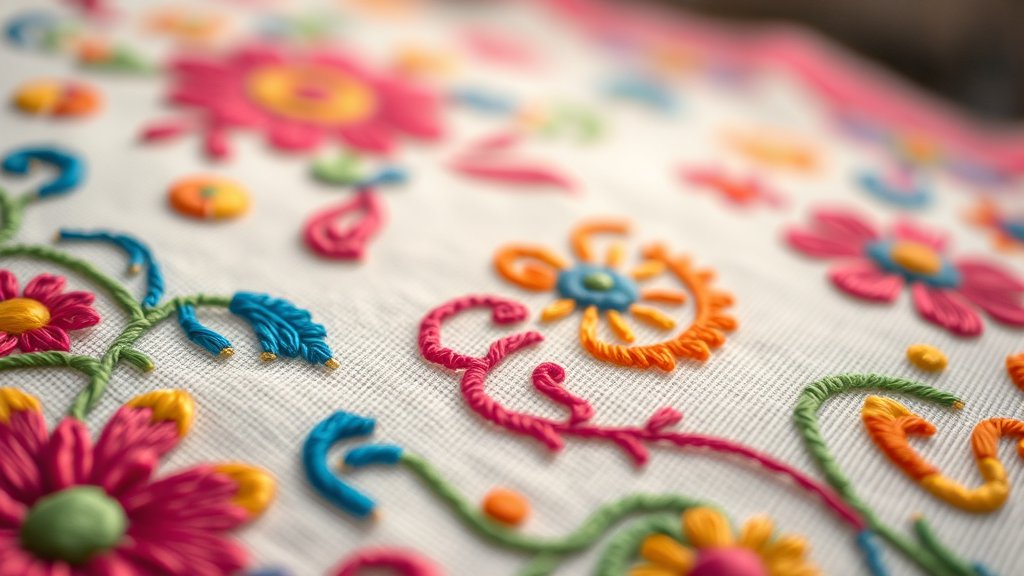
Embroidery is more than just a decorative element; it’s an art form that weaves stories into fabric. This ancient craft has evolved over centuries, yet it remains as captivating as ever. If you’re looking for the perfect embroidery fabric, there are many options available to suit your project’s needs. Who can resist the charm of a beautifully embroidered piece? It’s like carrying a piece of history with you.
The beauty of embroidery lies in its versatility. It can transform even the simplest fabric into a work of art. Whether it’s intricate floral patterns on a summer dress or bold geometric designs on home decor items, embroidery adds that extra layer of depth and texture. And let’s not forget its durability—embroidered patterns stay vibrant and intact for years.
Modern embroidery has embraced technology without losing its traditional essence. Today, machines can replicate complex designs with precision, making it accessible for everyone from hobbyists to professional designers. Yet, the hand-embroidered pieces still hold a special place, showcasing the skill and creativity of artisans.
How to choose the perfect fabric for your project
Choosing the right fabric can feel like navigating through a maze. With so many options available, it’s easy to feel overwhelmed. But fear not! A few key considerations can simplify this process significantly.
First, think about the purpose of your project. Is it a cozy quilt for winter or a breezy dress for summer? The function will dictate the type of fabric you need. For instance, cotton is great for comfort and breathability, while polyester offers durability and wrinkle resistance.
Next, pay attention to texture and weight. The texture can influence both the look and feel of your finished piece. A smooth silk might be perfect for elegant evening wear, whereas a rugged denim could be ideal for casual jackets. Weight plays a crucial role too—lighter fabrics drape well but might lack structure, while heavier ones offer sturdiness but can be less flexible.
Mixing and matching textures for unique creations
Mixing and matching textures can elevate your creations from ordinary to extraordinary. It’s like adding different spices to a dish—it enhances the overall experience and adds complexity. But how do you do it without ending up with a chaotic mess?
The key is balance. Start with a dominant texture that serves as your base—this could be something neutral like cotton or linen. Then, introduce secondary textures that complement but don’t overpower the main fabric. For example, pairing soft velvet with crisp taffeta can create an interesting contrast without clashing.
Consider the visual and tactile aspects as well. A visually rich texture like lace can add depth when combined with a smooth fabric like satin. Similarly, incorporating tactile contrasts—like pairing rough burlap with sleek silk—can make your creation more engaging.
Caring for your embroidered masterpieces
Once you’ve poured your heart into creating an embroidered masterpiece, proper care is essential to ensure its longevity. These pieces are not just garments; they’re works of art deserving special attention.
First things first: always check the care label. Different fabrics and threads may have specific cleaning requirements. Generally, hand washing in cold water is safest for delicate embroidered items. Use a mild detergent and avoid wringing or twisting the fabric to prevent distortion.
If machine washing is unavoidable, turn the garment inside out and use a gentle cycle with cold water. Place it in a mesh laundry bag for added protection. Avoid bleach and harsh chemicals as they can weaken the threads and cause colors to fade.
When it comes to drying, air drying is your best bet. Lay the item flat on a clean towel and reshape it gently while damp. Avoid direct sunlight to prevent color fading. If you must use an iron, do so on a low setting and place a cloth between the iron and the embroidery to avoid damage.
Caring for embroidered pieces might require a bit more effort, but the results are worth it—ensuring your beautiful creations remain vibrant and intact for years to come.